Why We Built This
Facilitators are often told to "find their style" but given little guidance on what that actually means. Generic personality assessments like MBTI or DiSC weren't designed for the specific challenges of running workshops, meetings, and collaborative sessions.
Facilitator's DNA was created to fill that gap. Instead of broad personality traits, we measure the specific skills and instincts that matter when you're standing in front of a room trying to help a group achieve something together.
The Five Dimensions
Our assessment measures you across five core facilitation competencies. These aren't arbitrary categories; they're the fundamental skills that determine how effective a facilitator is in practice.
Time Management
How well you structure sessions, maintain pace, and ensure groups accomplish their objectives within the allotted time.
Engagement
Your ability to create psychological safety, draw out quieter voices, and ensure everyone participates meaningfully.
Energy
How effectively you read and manage the room's energy, knowing when to energize the group and when to let them focus.
Adaptability
Your comfort with changing plans mid-session, handling unexpected situations, and pivoting when the group needs something different.
Clarity
How well you synthesize discussions, provide clear summaries, and help groups see the through-line in their conversations.
The Five DNA Types
Based on your scores across these five dimensions, you'll be matched to one of five facilitator profiles. Each profile represents a distinct pattern of strengths and natural instincts.
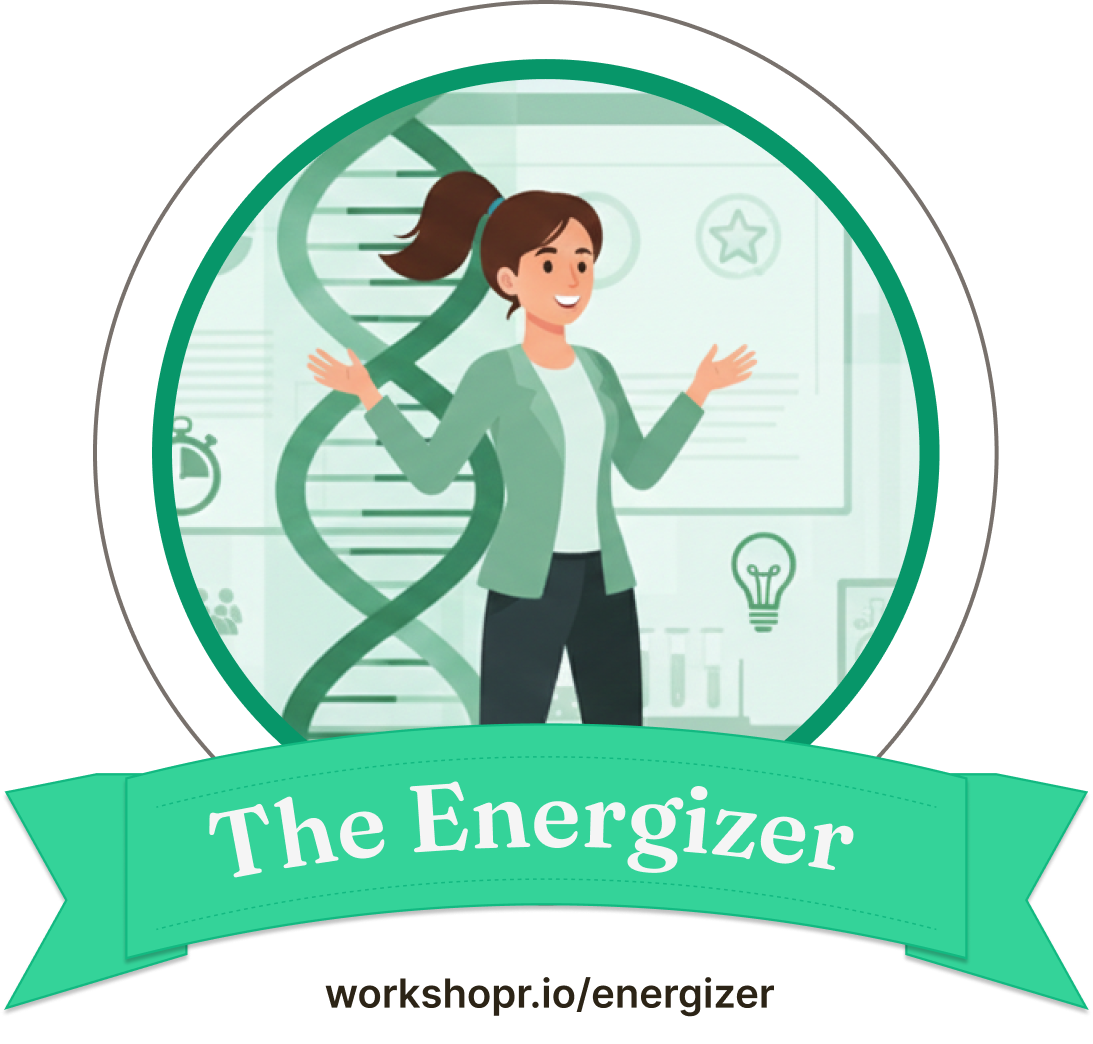
The Energizer
High-energy facilitator who keeps momentum high
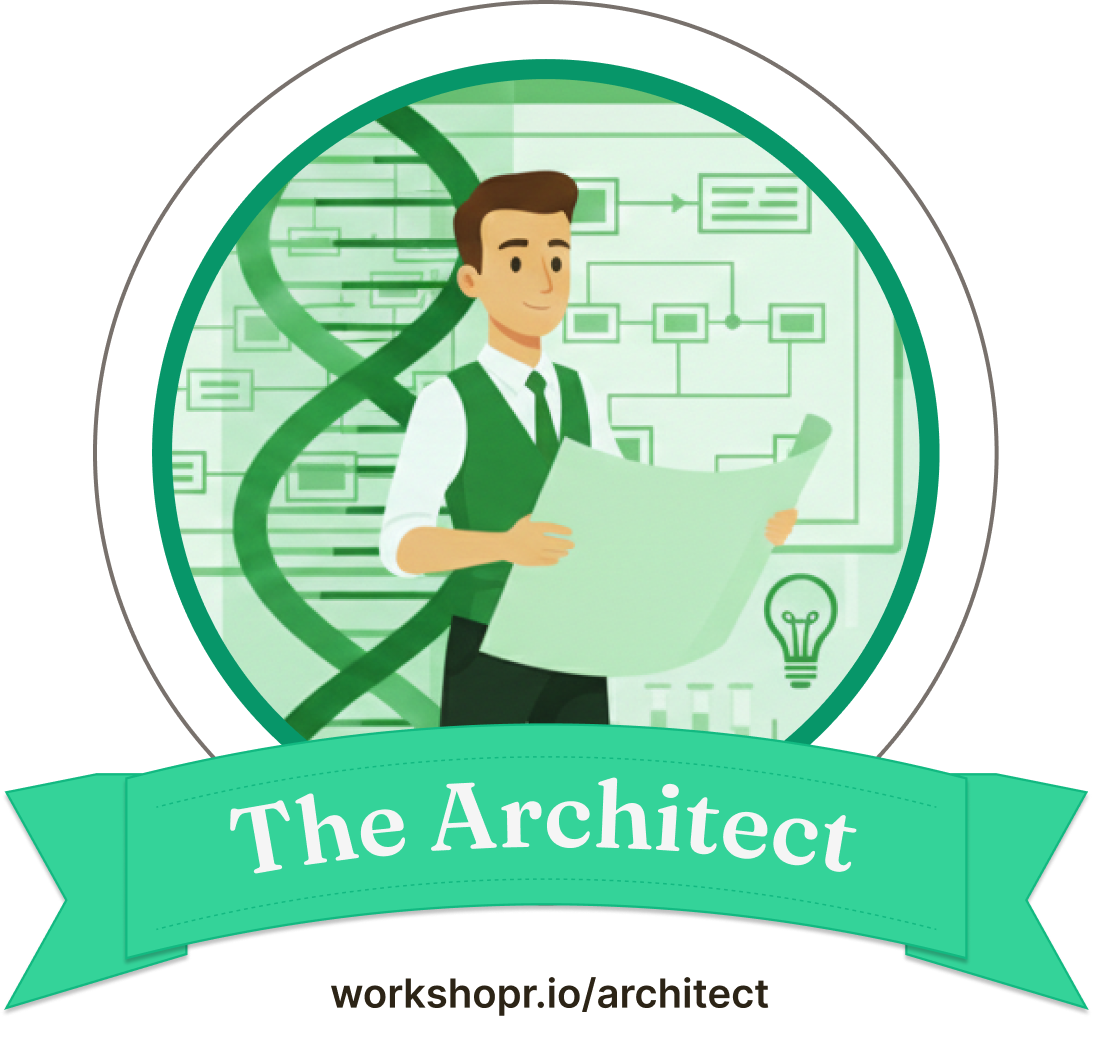
The Architect
Methodical designer of structured experiences
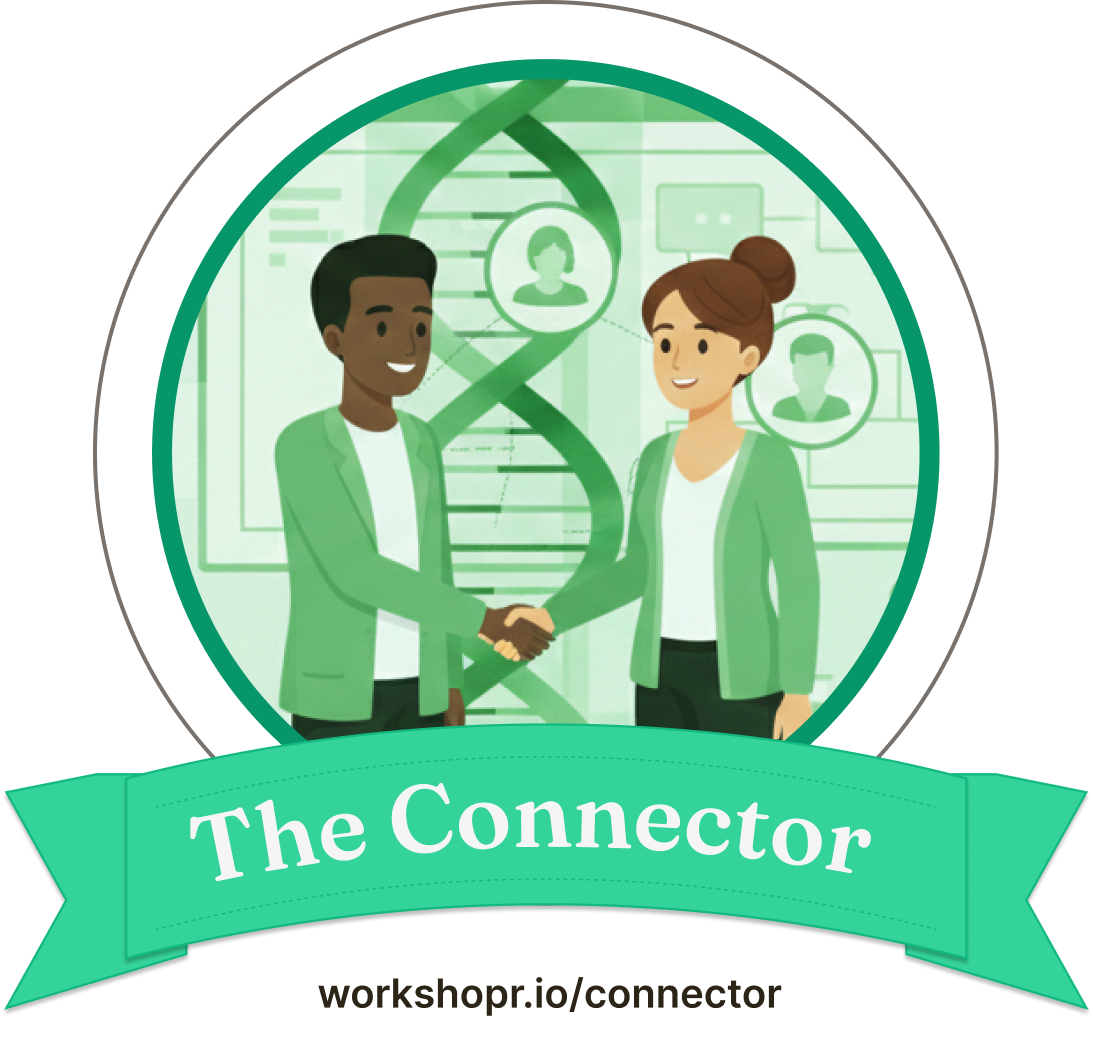
The Connector
Creates safety and brings out every voice

The Explorer
Thrives in ambiguity, finds unexpected insights

The Sage
Creates space for deep reflection and meaning
No type is better than another. Each has distinct advantages for different kinds of sessions and challenges. The goal isn't to become a different type; it's to understand your natural strengths and know where focused practice can help you grow.
How the Assessment Works
The quiz presents 15 realistic facilitation scenarios. Rather than asking you to rate yourself on abstract traits, we ask how you'd actually respond in specific situations. This approach reduces self-reporting bias and captures your instinctive reactions.
Each response contributes to your scores across the five dimensions. Your final profile is determined by comparing your scores to the characteristic patterns of each DNA type, identifying which profile most closely matches your facilitation style.
"Your DNA type isn't a box you're stuck in. It's a starting point for understanding your natural tendencies and making intentional choices about how you want to grow."
What Informed This Framework
Facilitator's DNA draws on several bodies of research and practice:
- Group dynamics research from social psychology, particularly work on psychological safety and participation patterns
- Adult learning theory and how different facilitation approaches affect knowledge retention and skill development
- Situational leadership models adapted for the specific context of facilitation
- Practical experience from hundreds of workshops and conversations with professional facilitators
The framework continues to evolve based on feedback from facilitators who take the assessment and share how accurately it captures their experience.
Frequently Asked Questions
Ready to Discover Your DNA?
15 questions. 3 minutes. Real insight into your facilitation style.
Take the Quiz