Academy
settings
Workshopr Academy

Facilitation isn't a talent.It's a skill you can study.

Six free ebooks, four toolkits, and structured learning paths that take you from your first nervous workshop to leading any room. Battle-tested, footnoted, free.

6 Ebooks
4 Toolkits
4 Learning Paths
01

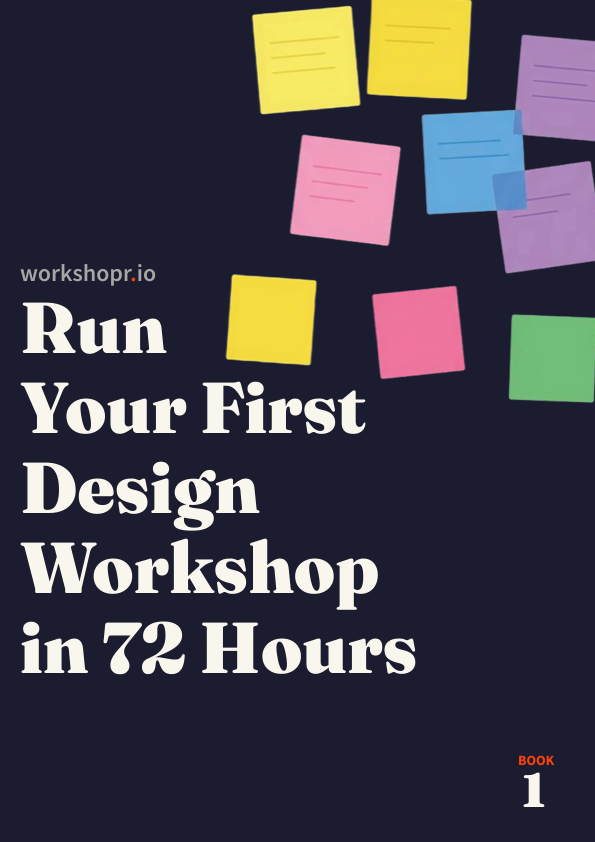
The Facilitation Series

Six books that take you from running your first session to building a workshop culture across an organization. Ten minutes a chapter, no padding.

02

Four interactive toolkits

Tools to sharpen your skills, prep for sessions, and handle the unexpected. Each one earns its place by saving you a real fifteen minutes.

03

A syllabus of learning paths

Structured journeys with modules, exercises, and assessments. Coming this year, in batches.

3.1

Facilitation Foundations

Core skills every facilitator needs. From setting objectives to reading the room.

8 modules · ~6 hours Beginner
Coming soon
3.2

Executive & Leadership Facilitation

Running sessions with senior stakeholders. Navigate politics, drive alignment.

6 modules · ~5 hours Intermediate
Coming soon
3.3

Difficult Conversations & Team Alignment

Conflict resolution, feedback sessions, and building psychological safety.

5 modules · ~4 hours Intermediate
Coming soon
3.4

Neurodivergent & Accessible Facilitation

Design sessions that work for every brain. Inclusive participation methods baked in.

5 modules · ~4 hours All levels
Coming soon

Want early access when paths launch? Get on the list.

mail Join the waitlist
appsMore from Workshopr.io

Level Up Your Facilitation

Learn.

Before you run the room, you read it. Steal from facilitators who've made every mistake, study the moves that worked, and stockpile exercises you can pull when the agenda goes sideways. Your reading list now is your toolkit later.

Plan.

A workshop is a sequence of decisions you make before anyone walks in: who's there, what changes by the end, where the energy spikes and dips. Block out the time, name the moves, leave room for the room. Plan tight enough to start, loose enough to follow what actually happens.

Facilitate.

The plan meets the room and the room wins. Your job is to read what's actually happening, not what you scripted, and steer with small, specific moves. Hold the timer. Surface the unsaid. Cut what's not landing.

Reflect.

The hour after the workshop is when the value either compounds or evaporates. Capture what surfaced, send the artifacts before momentum dies, and write down the one thing you'd do differently. Run enough sessions and the patterns become a craft.

A letter for facilitators who give a damn.

Workshop tips picked for the rooms you actually run. Three times a week. No "10 tricks for hybrid" listicles, no synergy slides, no hot takes dressed as frameworks.

Three emails a week. No spam, unsubscribe in one click.

v1 · editorial